Blending sounds

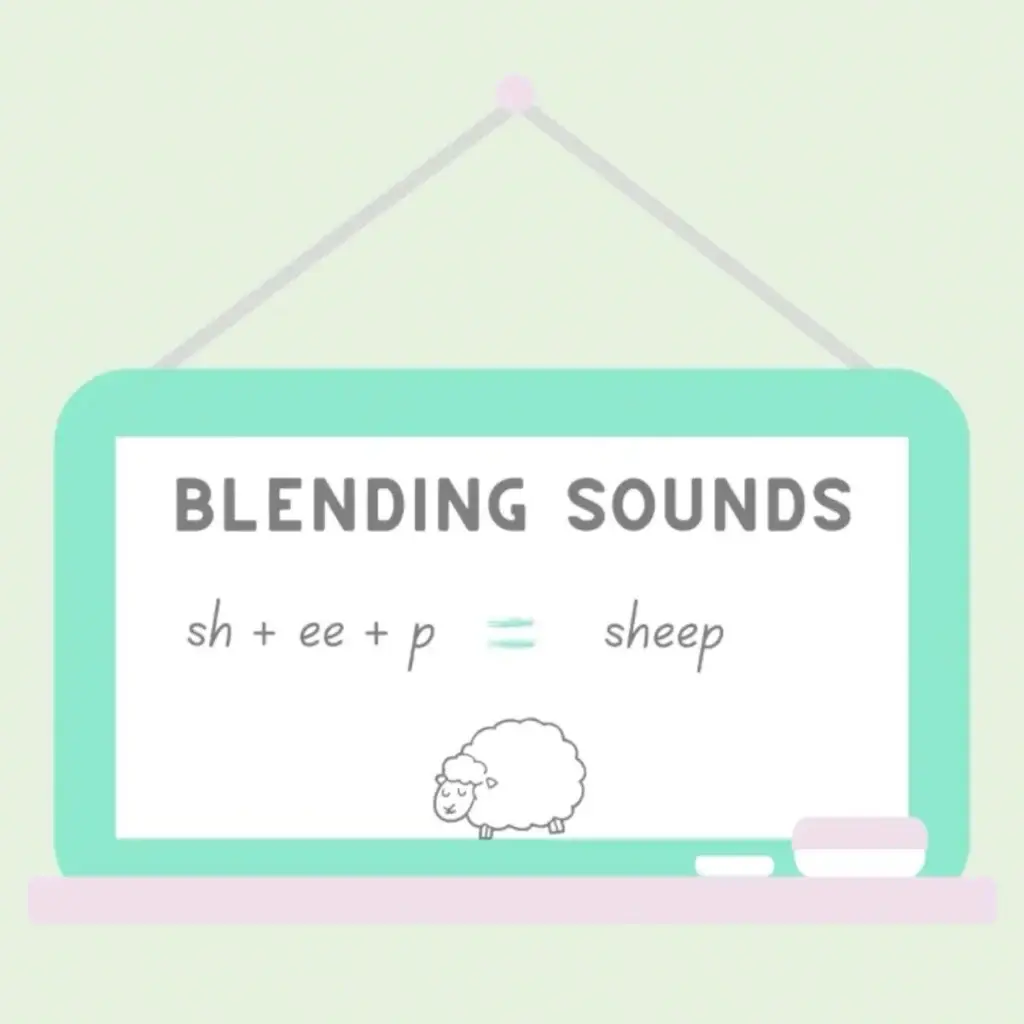
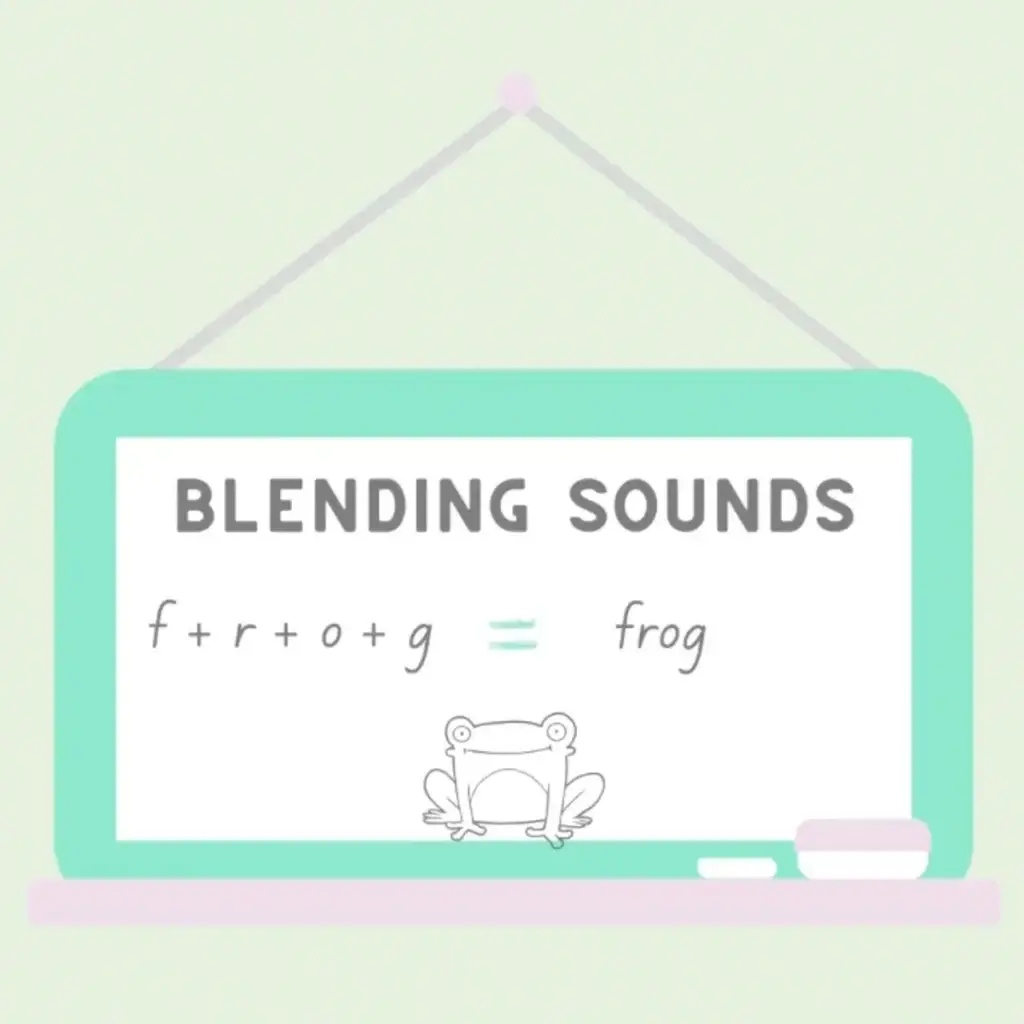
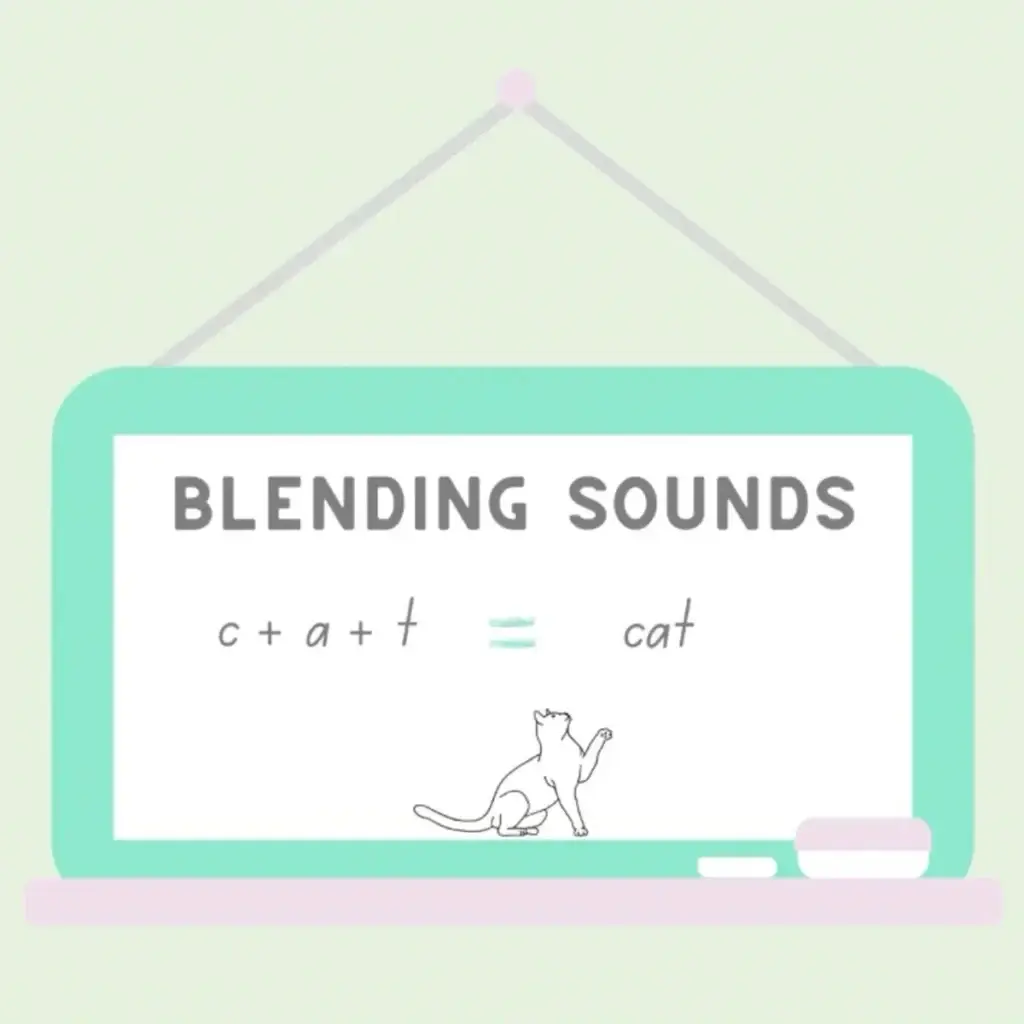
Blending sounds: The process of putting sounds or syllables together to make words.

When learning to read, children make the association that letters correspond with certain sounds (eg. B makes the b sound).

By sounding out the sounds and then using the skill of BLENDING they are able to read the word 📚

Prior to blending phonemes (sounds) children should be blending syllables (check out our previous posts all about syllables 🥁).

A few ideas for phoneme (sound) blending are in the images 🥳
Written by Emily Baxter

Blossom Rural Director & Speech Pathologist (B.SP, CPSP)

"As a Speech Pathologist, I love working with rural families on their child’s literacy, speech and language skills. I opened Blossom Rural in January 2021 after noticing the lack of Speech Pathology services in my local Far Western NSW region. The number of rural children, living on properties and remote towns, who were not able to access regular Speech Pathology intervention without driving to a major capital city, was astounding. These were the families I had always hoped to work alongside and provide an accessible service to. I grew up in Broken Hill before heading to Adelaide for Boarding School at 12 years of age followed by university. The healthcare gap between country and city was very obvious!"

Top Tips for Successful Mealtimes

Do any other families just absolutely shudder at the idea of mealtimes? Well trust me, you are not alone.

How should I read with my child?

Wondering how to read with your preschooler? You can start reading with your children from as young as birth! Reading is amazing to help support your child develop their ability to talk and understand words, and eventually be able to read and spell those words later on.

How to help your child with the transition to school

Now is the time to start helping your child get ready for school. Even if your child went to school last year, returning to school after a long break is a big change.

How often should my child be meeting with the speech therapist?

After you meet with your lovely speech therapist and a thorough communication assessment has been completed, your therapist may recommend therapy to help your child achieve their communication goals.